


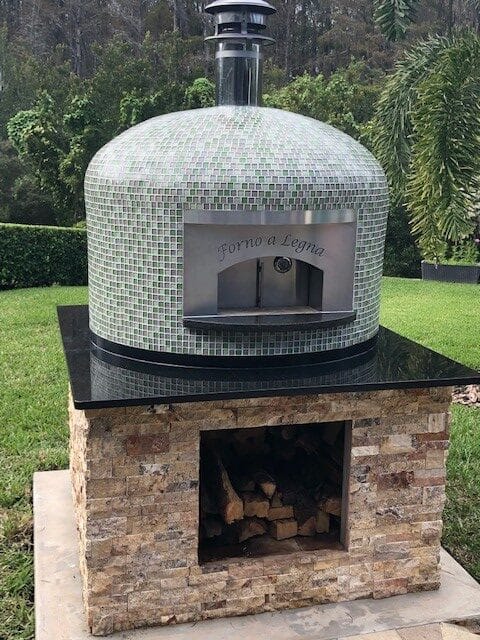
27 Apr Backyard Pizza Oven Installation Done Right
A pizza oven should not feel like an afterthought tucked onto a patio. The best backyard pizza oven installation becomes part of the property itself – a permanent centerpiece that cooks at a serious level, looks architecturally intentional, and holds its value long after trends change.
That is where many projects go wrong. Homeowners often focus on the oven first and the installation second, when the installation is what determines how the oven performs, how it ages, and how naturally it fits into the outdoor space. A true masonry oven is not a plug-in appliance. It is a structural, visual, and culinary investment.
What backyard pizza oven installation really involves
At the luxury end of the market, installation is not just a matter of setting an oven on a stand and lighting a fire. The process includes site selection, foundation planning, venting strategy, access for delivery, finish materials, utility coordination, and the relationship between the oven and the rest of the outdoor kitchen.
A well-installed oven needs to work on three levels at once. It has to perform like a real cooking tool, withstand weather and use, and elevate the design of the backyard. If one of those elements is ignored, the project starts to feel compromised. Like a beautiful oven in the wrong location will be used less often. Or a powerful oven on a weak base can become a structural liability. And a cheap enclosure around a premium oven undermines the entire visual impact.
For homeowners in Florida, this planning matters even more. Heat, humidity, salt air in coastal areas, and seasonal rain all affect material choices, placement, and finish durability. The oven itself may be built for permanence, but the surrounding installation has to be designed with the same discipline.
Start with placement, not product
The first decision in backyard pizza oven installation should be where the oven belongs, not which decorative tile catches the eye. Placement shapes everything that follows.
A pizza oven should sit where people actually gather. If it is too far from the dining area, it becomes a detached cooking station rather than part of the entertaining experience. If it is too close to a main seating area without thought for heat and smoke movement, it can make the space uncomfortable. The sweet spot is usually near the outdoor kitchen or dining zone, with enough breathing room for the cook to work and enough proximity for guests to enjoy the fire, aroma, and presentation.
Wind direction matters more than many buyers expect. In open yards or coastal settings, prevailing breezes can affect draft and direct smoke where you do not want it. Property lines, covered structures, roof overhangs, nearby landscaping, and pool placement also need to be considered early. This is one of those areas where experience matters. A beautiful rendering can still produce a frustrating installation if the oven was never sited for real-world conditions.
The base is not the place to cut corners
A premium oven is only as reliable as the structure beneath it. Real brick ovens carry substantial weight, especially once they are paired with a finished surround, countertop surfaces, storage, and decorative cladding. That means the supporting slab or foundation must be engineered for the load.
This is where the difference between a temporary outdoor cooking setup and a permanent installation becomes obvious. Lightweight metal units can be moved or replaced with little consequence. A handcrafted masonry oven is intended to stay. The base should reflect that permanence.
In many cases, a reinforced concrete slab is the right answer, but the details depend on soil conditions, drainage, and the scale of the installation. Uneven settlement can create issues ranging from cosmetic cracking to compromised performance. Heat retention and cooking consistency depend on proper structural support just as much as the oven dome and firebrick floor do.
The same principle applies to the enclosure. If the facade, hearth landing, and surrounding kitchen elements are built with lower-grade materials than the oven itself, the project ages unevenly. High-end installations succeed because the structure, finish, and appliance quality are aligned.
Fuel choice changes the installation plan
Not every buyer wants the same cooking ritual. Some want the full wood-fired experience – live flame, traditional fire management, and old-world flavor. Others want the flexibility of hybrid wood-and-gas operation, especially for frequent entertaining or commercial consistency. That choice should be made before installation begins, because it affects layout, utility planning, and how the space is used.
Wood-fired ovens require thoughtful storage for fuel, proper clearance, and a design that supports live-fire cooking as an experience. A hybrid setup may also require gas line coordination and a cleaner path for quick start-up. Neither option is inherently better. It depends on how the owner cooks, how often the oven will be used, and whether the space is centered on leisurely weekend entertaining or high-volume service.
For luxury homeowners, hybrid often makes sense when convenience matters without giving up the character of a real firebrick oven. For purists, wood remains the standard. What matters most is choosing a system that matches the lifestyle rather than forcing the lifestyle to match the oven.
Design the oven as part of the outdoor kitchen
The strongest backyard pizza oven installation does not look bolted onto the edge of a project. It feels integrated from the first sketch. That means the oven should relate to the grill, counters, refrigeration, bar seating, and circulation paths around the space.
Scale is especially important. A large, commanding oven can become the visual anchor of the backyard, but only if the rest of the design supports it. If the kitchen is undersized, the oven can overwhelm the area. If the oven is too small for the hardscape and architecture around it, it can disappear. The proportions need to feel intentional.
Material selection also deserves more discipline than many installations receive. Natural stone, high-end stucco, brick, tile, and metal accents all communicate different styles. A Mediterranean-inspired property may call for warm, textured finishes and a classic arched presentation. A more contemporary home may need a restrained palette and cleaner lines. The oven should complement the architecture, not compete with it.
This is one reason premium buyers gravitate toward custom work. Off-the-shelf solutions rarely account for the house, the view, the entertaining style, and the performance expectations all at once. A handcrafted installation can.
Venting, weather, and code are not afterthoughts
Backyard pizza oven installation has a glamorous side, but the invisible details are what protect the investment. Proper chimney design and venting are essential for draw, comfort, and safety. Poor venting can lead to smoke rollout, inefficient firing, and a less enjoyable cooking experience.
Weather protection matters too. In Florida, heavy rain and humidity can punish weak finishes and poorly sealed assemblies. Even in warm climates, thermal cycling and moisture exposure affect longevity. The oven enclosure, chimney transitions, countertop joints, and finish materials should all be selected with outdoor exposure in mind.
Then there is code compliance. Requirements vary by municipality, HOA, and property type. Setbacks, gas line work, venting details, and structural considerations may all trigger local review. Luxury projects tend to involve more than one trade, so coordination becomes critical. This is not the stage to improvise. Precision during planning prevents expensive revisions later.
Why craftsmanship shows up in performance
There is a visible difference between a decorative backyard oven and one built for authentic high-heat cooking, but there is also a difference you feel in use. Real firebrick construction, proper dome geometry, insulation quality, and thoughtful installation all affect heat retention, cooking rhythm, and recovery between pizzas.
A well-built oven reaches temperature efficiently and stays stable through service. It can handle pizza, roasted meats, vegetables, bread, and extended entertaining without feeling fragile or temperamental. That level of performance is part of the luxury. It gives the owner confidence to cook seriously, not just occasionally.
For buyers considering a statement piece for a high-end property, that distinction matters. A premium oven should deliver both theater and substance. It should draw guests in visually and then justify itself every time the fire is lit.
Forno Nardona approaches this category with that exact philosophy – artisan construction, architectural presence, and real Napoli-inspired cooking performance built into one permanent installation.
A lasting installation pays off differently than a quick purchase
The cheapest route into outdoor pizza cooking is rarely the one people are proud of five years later. A serious installation costs more because it solves more. It addresses structure, aesthetics, utility coordination, weather exposure, and cooking performance in one coherent build.
That does not mean every project has to be oversized or elaborate. It means the project should be honest about its goals. If the oven is meant to serve as the focal point of outdoor entertaining, build it accordingly. If it is part of a complete luxury kitchen, integrate it from the beginning. If the property deserves something permanent and handcrafted, choose materials and installation methods that belong at that level.
The right oven can change how a backyard is used. The right installation can change how the entire property is experienced. If you are planning one, think beyond the appliance. Build the setting the oven deserves, and it will reward you every time guests gather around the fire.